You look in the mirror and see someone inadequate. Your friend looks at you and sees someone capable. Your resume says "experienced." Your mind says "imposter." This gap between self image and reality isn't random—it's built from years of collected moments, filtered through emotional memory, and reinforced by patterns you might not even notice.
The way you see yourself is almost never the way others see you. And it's often not aligned with the objective facts of your life. This isn't about "low self-esteem" being wrong—it's about understanding why the version of yourself you carry in your mind feels so convincing, even when evidence suggests otherwise.
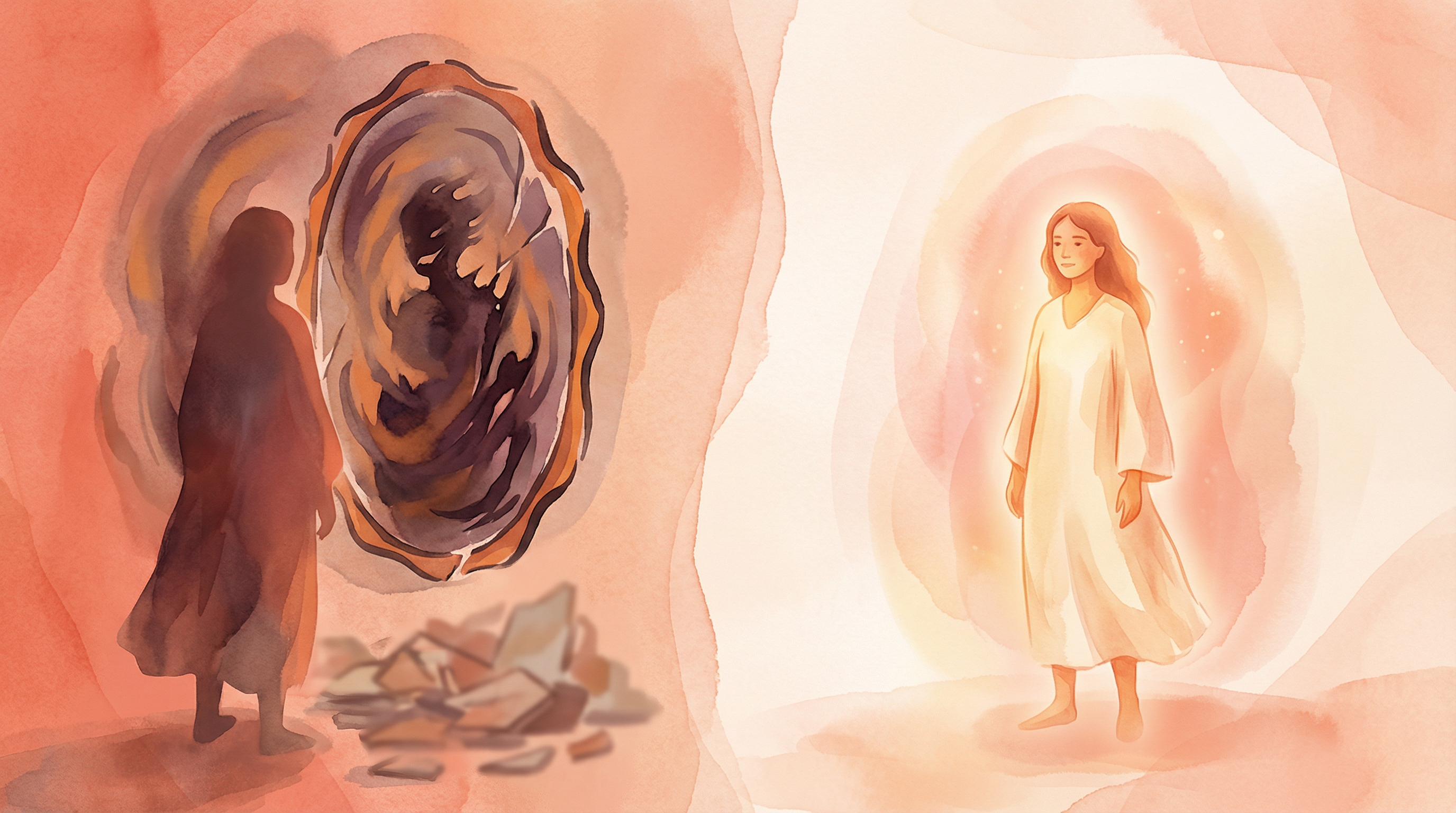
The Gap Between Self Image and Reality
Your self image—the mental picture of who you are—forms through a complex process. It's not just "what you think of yourself." It's a composite built from:
- Early messages: What you were told (or not told) about your worth, capability, or lovability
- Emotional memory: Failures remembered vividly; successes dismissed or forgotten
- Selective attention: Noticing evidence that confirms existing beliefs about yourself
- Comparison patterns: Measuring yourself against others' highlight reels
- Negative bias: The brain's tendency to weight negative information more heavily than positive
Meanwhile, reality—the version visible to others or measurable by facts—operates independently of this internal narrative.
According to research from the American Psychological Association, this disconnect between self-perception and objective reality is particularly pronounced in high-achieving individuals, where internal self-doubt persists despite external evidence of competence.
Why Your Self Image Doesn't Match Reality
Emotional Truths Feel Like Factual Truths
When you feel inadequate, your mind searches for evidence to support that feeling. You remember the time you stumbled over your words in a meeting, but forget the ten meetings where you contributed clearly. You recall the relationship that ended, but downplay the ones where you showed up consistently.
This is called confirmation bias, and it's powerful. Your self image becomes a filter: you see what confirms it and dismiss what contradicts it.
Early Experiences Create Lasting Templates
If your worth felt conditional growing up—dependent on performance, approval, or meeting specific expectations—you likely internalized the belief that you're only as valuable as your last success. Even when reality shows you've been successful repeatedly, the self image remains stuck in that old template.
Try this today: Write down three facts about yourself that are objectively true (e.g., "I completed my degree," "I've maintained a friendship for 5+ years," "I solved a problem at work this week"). Then notice how your mind immediately tries to minimize them. That's the gap between self image and reality showing up in real time.
The Brain Prioritizes Threat Detection
Your brain evolved to keep you safe, not to make you feel good about yourself. It's wired to notice what went wrong, what could go wrong, and what might threaten your social standing or survival.
This means self image is naturally skewed toward the negative. One criticism can outweigh ten compliments. One mistake can feel like evidence of fundamental inadequacy, while multiple successes feel like "luck" or "not counting."
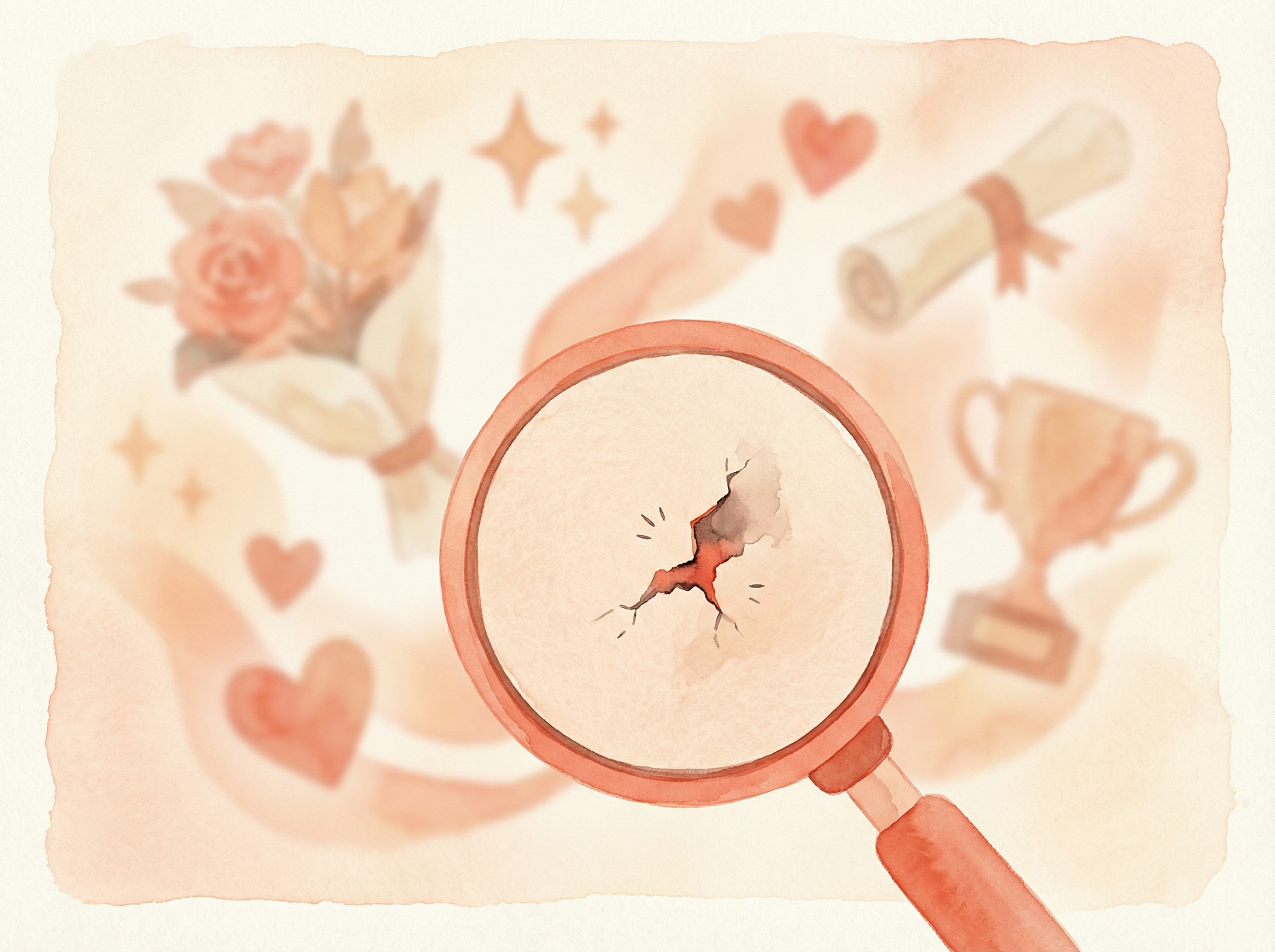
What Distorts Self Perception?
Comparison Without Context
When you compare your internal experience (full of doubt, effort, and mistakes) to someone else's external presentation (polished, confident-seeming, successful), the comparison is inherently unfair.
You're comparing your behind-the-scenes to their highlight reel. Your self image vs their reality—or more accurately, their curated version of reality.
The Inner Critic's Commentary
Your inner critic doesn't just observe—it narrates. It adds interpretation, judgment, and prediction to every neutral fact. "I made a mistake" becomes "I always mess things up." "I felt anxious" becomes "I'm fundamentally broken."
This narration shapes self image far more powerfully than facts do, because it feels like truth rather than interpretation.
The next time you notice harsh self-judgment, try externalizing it: "My inner critic is saying I'm not good enough" rather than "I'm not good enough." This small shift creates space between your self image and the reality of who you are.
Imposter Phenomenon
Even when external reality clearly shows competence—degrees earned, promotions received, relationships maintained—many people still feel like frauds. This is the imposter phenomenon: the persistent belief that you've somehow tricked everyone and will eventually be "found out."
Studies by Harvard Medical School suggest that up to 82% of people experience imposter feelings at some point, demonstrating how common this disconnect between self-perception and reality truly is.
How Self Image Shifts Over Time
Your self image isn't fixed, even though it can feel permanent. It shifts—sometimes gradually, sometimes suddenly—based on:
- New experiences: Especially ones that challenge existing beliefs
- Repetition: Consistently showing up in ways that contradict your negative self-narrative
- External feedback: Particularly from people you trust, delivered at moments when you're open to hearing it
- Internal narrative change: Actively questioning and reframing the stories you tell yourself
- Emotional healing: Processing old experiences that originally shaped your self-perception
The gap between self image and reality doesn't close overnight. But it can narrow, slowly, as you begin to notice the discrepancies and question which version is more accurate.
The version of yourself you carry in your mind was built over years. It won't change because of one positive thought. It changes through repeated experiences that gently contradict the old narrative—and through learning to trust external evidence as much as internal feeling.
Bridging the Gap: Practical Steps
Gather External Evidence
Your self image is biased. Reality is not. Start collecting objective facts:
- What have you accomplished in the past year? (List it, even if it feels "small.")
- What feedback have you received from others? (Even casual compliments.)
- What challenges have you navigated? (Including the ones you think "anyone could do.")
This isn't about "thinking positive." It's about fact-checking your internal narrative against reality.
Notice the Filtering Process
Pay attention to how your mind dismisses positive evidence:
- "That doesn't count because..."
- "They're just being nice."
- "Anyone could have done that."
- "I got lucky."
When you catch yourself filtering out positive reality to maintain a negative self image, you've found the gap. That's where the work happens.
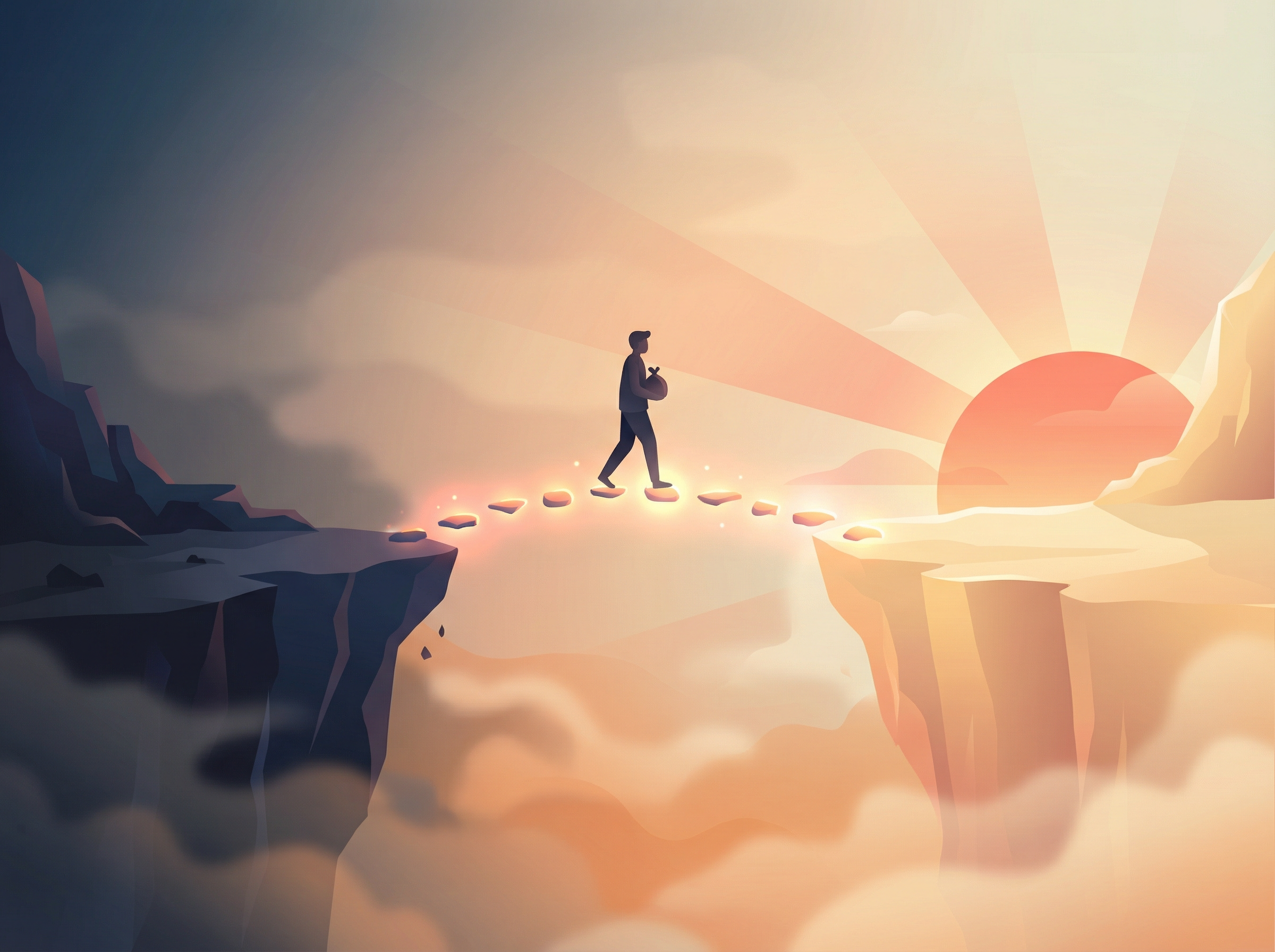
Question the Narrative
When your self image says something harsh, ask:
- Is this feeling, or fact?
- Would I say this to someone I care about?
- What evidence contradicts this belief?
- What would change if I believed the opposite?
You don't have to believe the opposite immediately. You just have to question whether the current belief is as solid as it feels.
Practice Self-Compassion
The gap between self image and reality often widens because of self-judgment. You see the gap, feel ashamed of it, and the shame reinforces the negative self-image.
Self-compassion interrupts this cycle. It allows you to notice the discrepancy without adding another layer of "I'm broken for seeing myself this way."
Try this now: Place a hand on your heart and say: "It makes sense that my self image doesn't match reality. I built this view of myself over years, and it's going to take time to update it. I can be patient with the process." Notice if this feels different than beating yourself up for "still struggling."
When to Seek Support
If the gap between self image and reality is causing significant distress—preventing you from pursuing opportunities, maintaining relationships, or trusting your own judgment—therapy can help.
Approaches like Cognitive Behavioral Therapy (CBT), Internal Family Systems (IFS), and Acceptance and Commitment Therapy (ACT) are particularly effective for working with distorted self-perception.
You're not "broken" for having a negative self image. You learned to see yourself this way for reasons that once made sense. And you can learn to see yourself more accurately—not through forced positivity, but through gentle, repeated questioning of the old narrative.
- Self Esteem: Why You Doubt Yourself (And How to Start Believing Again) — Comprehensive guide to understanding and rebuilding self-worth
- Why Do I Keep Doubting Myself? — Explore the patterns behind chronic self-doubt
- How to Recognize Your Inner Critic Patterns — Learn to identify the voice that distorts your self-image
Gentle Daily Reminders
When the gap between self image and reality feels overwhelming, sometimes you just need a gentle reminder of who you actually are—not who you fear you might be.
Not Alone offers compassionate affirmations designed to support you in moments when your perception of yourself feels distorted.
No pressure. Just support.
Download Not Alone — Free on App StoreFrequently Asked Questions
Is it normal for self image to not match reality?
Yes. Almost everyone experiences some degree of disconnect between self image and objective reality. The gap becomes problematic when it significantly impacts your decisions, relationships, or wellbeing—not simply because it exists.
Why do I see flaws that others don't notice?
You have access to your internal experience—every mistake, every moment of doubt, every imperfection—in a way others don't. They see the external result: your behavior, your contributions, your presence. This asymmetry naturally creates a more critical self image than others hold of you.
Can self image ever be too positive?
Yes. When self image is inflated beyond reality—often as a defense mechanism—it can prevent growth, damage relationships, or lead to poor decisions. However, this is far less common than unrealistically negative self-image.
How long does it take to change a distorted self image?
There's no fixed timeline. Some people notice shifts within weeks of consistently questioning their self-perception; others take months or years. What matters more than speed is consistency—repeatedly choosing to notice evidence that contradicts the negative narrative.
What's the difference between self image and self esteem?
Self image is the mental picture of who you are—your traits, capabilities, and characteristics. Self esteem is how you feel about that image. You can have an accurate self image but low self-esteem, or a distorted self image with high self-esteem. Ideally, both align with reality.